
Menopause Diet and Recipes UK
Menopause Diet and Recipes UK is written for UK readers who want realistic food ideas during perimenopause, menopause
and post-menopause. The focus is a complete UK guide to menopause nutrition, meal planning and recipes: enough protein,
plenty of fibre, calcium and vitamin D awareness, hydration, omega-3 rich foods where suitable, and fewer ultra-
processed foods. This is general educational content, not personal medical advice, and it should sit alongside guidance
from your GP, NHS services or a qualified menopause professional.
Menopause nutrition principles
There is no single best menopause diet that works for everyone. A sensible starting point is a Mediterranean-style
pattern: vegetables, fruit, beans, lentils, wholegrains, nuts, seeds, olive oil, fish if you eat it, and moderate
amounts of dairy or fortified alternatives. This approach is evidence-informed for general heart and metabolic health,
which matters because health priorities can shift after menopause.
Protein becomes especially useful because it supports muscle maintenance, fullness and recovery from exercise. Fibre
supports digestion and cholesterol management, while calcium and vitamin D are important for bone health. Hydration,
caffeine awareness and alcohol moderation can also be relevant for hot flushes, night sweats and sleep, although
triggers vary between individuals.
Symptom-based diet advice
Hot Flushes
For hot flushes, food is best seen as one part of a wider routine. Regular meals, fibre-rich carbohydrates, protein and
colourful plants may help support stable energy and overall wellbeing. Keep notes on personal triggers, especially
alcohol, spicy foods, large late meals and caffeine, because responses differ.
Night Sweats
For night sweats, food is best seen as one part of a wider routine. Regular meals, fibre-rich carbohydrates, protein and
colourful plants may help support stable energy and overall wellbeing. Keep notes on personal triggers, especially
alcohol, spicy foods, large late meals and caffeine, because responses differ.
Menopause Weight Gain
For menopause weight gain, food is best seen as one part of a wider routine. Regular meals, fibre-rich carbohydrates,
protein and colourful plants may help support stable energy and overall wellbeing. Keep notes on personal triggers,
especially alcohol, spicy foods, large late meals and caffeine, because responses differ.
Menopause Belly Fat
For menopause belly fat, food is best seen as one part of a wider routine. Regular meals, fibre-rich carbohydrates,
protein and colourful plants may help support stable energy and overall wellbeing. Keep notes on personal triggers,
especially alcohol, spicy foods, large late meals and caffeine, because responses differ.
Brain Fog
For brain fog, food is best seen as one part of a wider routine. Regular meals, fibre-rich carbohydrates, protein and
colourful plants may help support stable energy and overall wellbeing. Keep notes on personal triggers, especially
alcohol, spicy foods, large late meals and caffeine, because responses differ.
Fatigue
For fatigue, food is best seen as one part of a wider routine. Regular meals, fibre-rich carbohydrates, protein and
colourful plants may help support stable energy and overall wellbeing. Keep notes on personal triggers, especially
alcohol, spicy foods, large late meals and caffeine, because responses differ.
Poor Sleep
For poor sleep, food is best seen as one part of a wider routine. Regular meals, fibre-rich carbohydrates, protein and
colourful plants may help support stable energy and overall wellbeing. Keep notes on personal triggers, especially
alcohol, spicy foods, large late meals and caffeine, because responses differ.
Anxiety
For anxiety, food is best seen as one part of a wider routine. Regular meals, fibre-rich carbohydrates, protein and
colourful plants may help support stable energy and overall wellbeing. Keep notes on personal triggers, especially
alcohol, spicy foods, large late meals and caffeine, because responses differ.
Get personalised support
Find menopause nutritionists and dietitians in the UK.
Add your menopause business to The Menopause Directory for free.
Menopause-friendly recipes
1. Blueberry Menopause Porridge
Why it may support menopause wellbeing: This recipe combines protein, fibre and minimally processed carbohydrates, a pattern that can help with fullness, steadier energy and everyday blood sugar balance. It does not treat menopause symptoms, but it fits the style of eating often recommended for long-term health in midlife.
Prep time: | Servings: 4
Ingredients
- oats
- ground flaxseed
- chia seeds
- Greek yoghurt
- berries
- walnuts
Method
- Prepare the ingredients and keep portions moderate rather than restrictive.
- Cook or assemble with olive oil, herbs, lemon, spices or yoghurt-based dressings instead of heavy sauces.
- Serve with extra vegetables or salad leaves if you want more volume without relying on ultra-processed sides.
Optional substitutions: Swap dairy yoghurt for calcium-fortified soya yoghurt, use tinned fish instead of fresh fish, or replace grains with potatoes, beans or wholemeal pitta depending on your budget and preferences.
Nutrition-style summary: A balanced plate with a protein source, colourful plants, fibre-rich carbohydrates and unsaturated fats. Choose lower-salt ingredients where possible and adjust portions to appetite, activity and clinical advice.
Symptom support focus: For hot flushes, the aim is to reduce big energy dips and support general wellbeing with regular meals, hydration and nutrient-dense ingredients. If symptoms are severe, sudden or persistent, speak to a GP or menopause specialist.
2. Herby Menopause Egg Muffins
Why it may support menopause wellbeing: This recipe combines protein, fibre and minimally processed carbohydrates, a pattern that can help with fullness, steadier energy and everyday blood sugar balance. It does not treat menopause symptoms, but it fits the style of eating often recommended for long-term health in midlife.
Prep time: | Servings: 2
Ingredients
- eggs
- spinach
- mushrooms
- peppers
- feta
- pumpkin seeds
Method
- Prepare the ingredients and keep portions moderate rather than restrictive.
- Cook or assemble with olive oil, herbs, lemon, spices or yoghurt-based dressings instead of heavy sauces.
- Serve with extra vegetables or salad leaves if you want more volume without relying on ultra-processed sides.
Optional substitutions: Swap dairy yoghurt for calcium-fortified soya yoghurt, use tinned fish instead of fresh fish, or replace grains with potatoes, beans or wholemeal pitta depending on your budget and preferences.
Nutrition-style summary: A balanced plate with a protein source, colourful plants, fibre-rich carbohydrates and unsaturated fats. Choose lower-salt ingredients where possible and adjust portions to appetite, activity and clinical advice.
Symptom support focus: For night sweats, the aim is to reduce big energy dips and support general wellbeing with regular meals, hydration and nutrient-dense ingredients. If symptoms are severe, sudden or persistent, speak to a GP or menopause specialist.
3. Lemon Menopause Kefir Smoothie
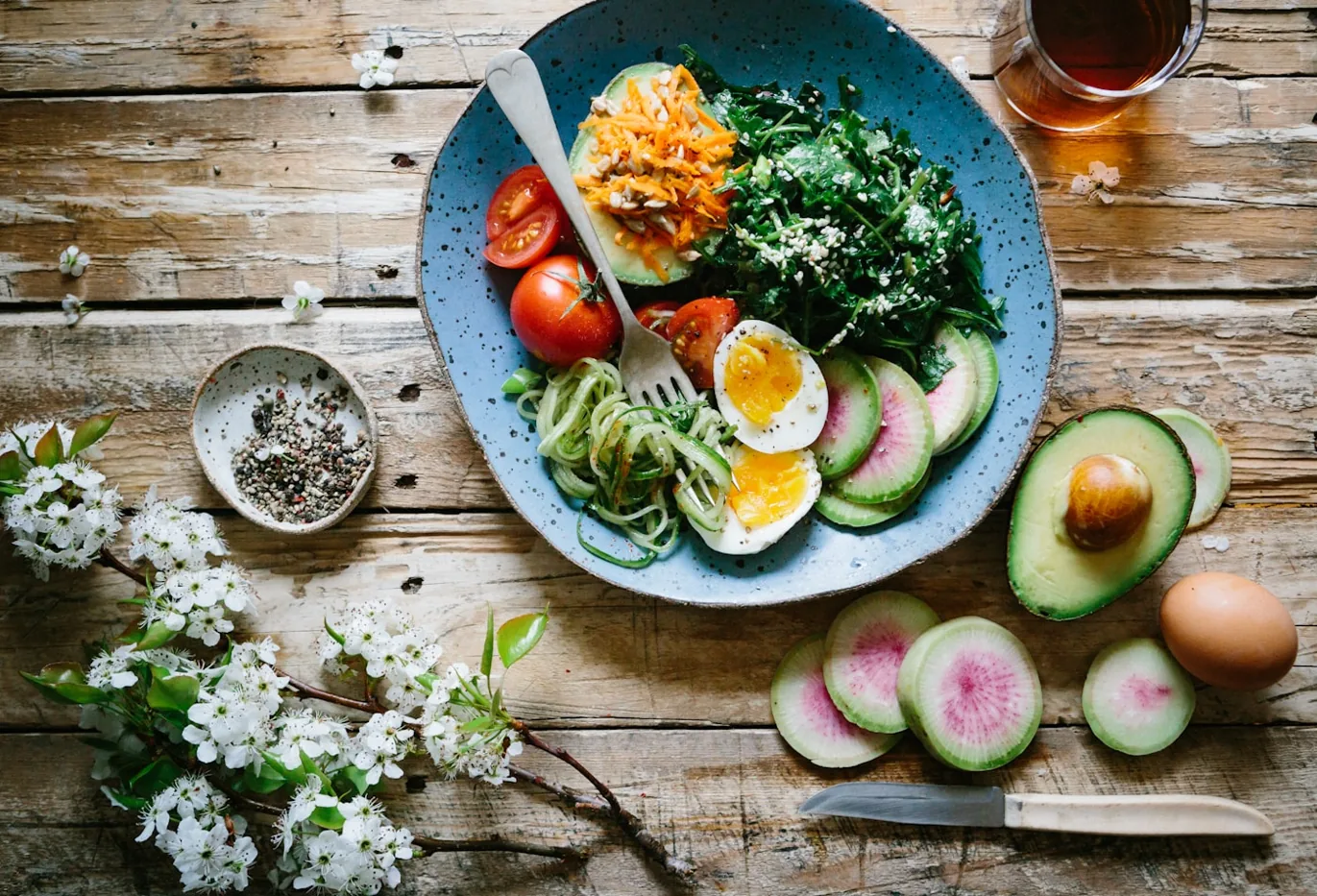
Why it may support menopause wellbeing: This recipe combines protein, fibre and minimally processed carbohydrates, a pattern that can help with fullness, steadier energy and everyday blood sugar balance. It does not treat menopause symptoms, but it fits the style of eating often recommended for long-term health in midlife.
Prep time: | Servings: 2
Ingredients
- plain kefir
- oats
- blueberries
- almond butter
- cinnamon
Method
- Prepare the ingredients and keep portions moderate rather than restrictive.
- Cook or assemble with olive oil, herbs, lemon, spices or yoghurt-based dressings instead of heavy sauces.
- Serve with extra vegetables or salad leaves if you want more volume without relying on ultra-processed sides.
Optional substitutions: Swap dairy yoghurt for calcium-fortified soya yoghurt, use tinned fish instead of fresh fish, or replace grains with potatoes, beans or wholemeal pitta depending on your budget and preferences.
Nutrition-style summary: A balanced plate with a protein source, colourful plants, fibre-rich carbohydrates and unsaturated fats. Choose lower-salt ingredients where possible and adjust portions to appetite, activity and clinical advice.
Symptom support focus: For menopause weight gain, the aim is to reduce big energy dips and support general wellbeing with regular meals, hydration and nutrient-dense ingredients. If symptoms are severe, sudden or persistent, speak to a GP or menopause specialist.
4. Ginger Menopause Lentil Soup

Why it may support menopause wellbeing: This recipe combines protein, fibre and minimally processed carbohydrates, a pattern that can help with fullness, steadier energy and everyday blood sugar balance. It does not treat menopause symptoms, but it fits the style of eating often recommended for long-term health in midlife.
Prep time: | Servings: 4
Ingredients
- red lentils
- carrots
- celery
- tomatoes
- olive oil
- herbs
Method
- Prepare the ingredients and keep portions moderate rather than restrictive.
- Cook or assemble with olive oil, herbs, lemon, spices or yoghurt-based dressings instead of heavy sauces.
- Serve with extra vegetables or salad leaves if you want more volume without relying on ultra-processed sides.
Optional substitutions: Swap dairy yoghurt for calcium-fortified soya yoghurt, use tinned fish instead of fresh fish, or replace grains with potatoes, beans or wholemeal pitta depending on your budget and preferences.
Nutrition-style summary: A balanced plate with a protein source, colourful plants, fibre-rich carbohydrates and unsaturated fats. Choose lower-salt ingredients where possible and adjust portions to appetite, activity and clinical advice.
Symptom support focus: For menopause belly fat, the aim is to reduce big energy dips and support general wellbeing with regular meals, hydration and nutrient-dense ingredients. If symptoms are severe, sudden or persistent, speak to a GP or menopause specialist.
5. Rainbow Menopause Salmon Bowl
Why it may support menopause wellbeing: This recipe combines protein, fibre and minimally processed carbohydrates, a pattern that can help with fullness, steadier energy and everyday blood sugar balance. It does not treat menopause symptoms, but it fits the style of eating often recommended for long-term health in midlife.
Prep time: | Servings: 2
Ingredients
- salmon
- brown rice
- edamame
- cucumber
- avocado
- lemon
Method
- Prepare the ingredients and keep portions moderate rather than restrictive.
- Cook or assemble with olive oil, herbs, lemon, spices or yoghurt-based dressings instead of heavy sauces.
- Serve with extra vegetables or salad leaves if you want more volume without relying on ultra-processed sides.
Optional substitutions: Swap dairy yoghurt for calcium-fortified soya yoghurt, use tinned fish instead of fresh fish, or replace grains with potatoes, beans or wholemeal pitta depending on your budget and preferences.
Nutrition-style summary: A balanced plate with a protein source, colourful plants, fibre-rich carbohydrates and unsaturated fats. Choose lower-salt ingredients where possible and adjust portions to appetite, activity and clinical advice.
Symptom support focus: For brain fog, the aim is to reduce big energy dips and support general wellbeing with regular meals, hydration and nutrient-dense ingredients. If symptoms are severe, sudden or persistent, speak to a GP or menopause specialist.
6. Harissa Menopause Chickpea Salad

Why it may support menopause wellbeing: This recipe combines protein, fibre and minimally processed carbohydrates, a pattern that can help with fullness, steadier energy and everyday blood sugar balance. It does not treat menopause symptoms, but it fits the style of eating often recommended for long-term health in midlife.
Prep time: | Servings: 2
Ingredients
- chickpeas
- quinoa
- roasted peppers
- parsley
- cucumber
- tahini
Method
- Prepare the ingredients and keep portions moderate rather than restrictive.
- Cook or assemble with olive oil, herbs, lemon, spices or yoghurt-based dressings instead of heavy sauces.
- Serve with extra vegetables or salad leaves if you want more volume without relying on ultra-processed sides.
Optional substitutions: Swap dairy yoghurt for calcium-fortified soya yoghurt, use tinned fish instead of fresh fish, or replace grains with potatoes, beans or wholemeal pitta depending on your budget and preferences.
Nutrition-style summary: A balanced plate with a protein source, colourful plants, fibre-rich carbohydrates and unsaturated fats. Choose lower-salt ingredients where possible and adjust portions to appetite, activity and clinical advice.
Symptom support focus: For fatigue, the aim is to reduce big energy dips and support general wellbeing with regular meals, hydration and nutrient-dense ingredients. If symptoms are severe, sudden or persistent, speak to a GP or menopause specialist.
7. Walnut Menopause Turkey Traybake
Why it may support menopause wellbeing: This recipe combines protein, fibre and minimally processed carbohydrates, a pattern that can help with fullness, steadier energy and everyday blood sugar balance. It does not treat menopause symptoms, but it fits the style of eating often recommended for long-term health in midlife.
Prep time: | Servings: 4
Ingredients
- turkey
- sweet potato
- broccoli
- red onion
- olive oil
Method
- Prepare the ingredients and keep portions moderate rather than restrictive.
- Cook or assemble with olive oil, herbs, lemon, spices or yoghurt-based dressings instead of heavy sauces.
- Serve with extra vegetables or salad leaves if you want more volume without relying on ultra-processed sides.
Optional substitutions: Swap dairy yoghurt for calcium-fortified soya yoghurt, use tinned fish instead of fresh fish, or replace grains with potatoes, beans or wholemeal pitta depending on your budget and preferences.
Nutrition-style summary: A balanced plate with a protein source, colourful plants, fibre-rich carbohydrates and unsaturated fats. Choose lower-salt ingredients where possible and adjust portions to appetite, activity and clinical advice.
Symptom support focus: For poor sleep, the aim is to reduce big energy dips and support general wellbeing with regular meals, hydration and nutrient-dense ingredients. If symptoms are severe, sudden or persistent, speak to a GP or menopause specialist.
8. Citrus Menopause Mackerel Pasta
Why it may support menopause wellbeing: This recipe combines protein, fibre and minimally processed carbohydrates, a pattern that can help with fullness, steadier energy and everyday blood sugar balance. It does not treat menopause symptoms, but it fits the style of eating often recommended for long-term health in midlife.
Prep time: | Servings: 2
Ingredients
- wholewheat pasta
- smoked mackerel
- peas
- spinach
- lemon
Method
- Prepare the ingredients and keep portions moderate rather than restrictive.
- Cook or assemble with olive oil, herbs, lemon, spices or yoghurt-based dressings instead of heavy sauces.
- Serve with extra vegetables or salad leaves if you want more volume without relying on ultra-processed sides.
Optional substitutions: Swap dairy yoghurt for calcium-fortified soya yoghurt, use tinned fish instead of fresh fish, or replace grains with potatoes, beans or wholemeal pitta depending on your budget and preferences.
Nutrition-style summary: A balanced plate with a protein source, colourful plants, fibre-rich carbohydrates and unsaturated fats. Choose lower-salt ingredients where possible and adjust portions to appetite, activity and clinical advice.
Symptom support focus: For anxiety, the aim is to reduce big energy dips and support general wellbeing with regular meals, hydration and nutrient-dense ingredients. If symptoms are severe, sudden or persistent, speak to a GP or menopause specialist.
9. Sesame Menopause Tofu Stir-fry
Why it may support menopause wellbeing: This recipe combines protein, fibre and minimally processed carbohydrates, a pattern that can help with fullness, steadier energy and everyday blood sugar balance. It does not treat menopause symptoms, but it fits the style of eating often recommended for long-term health in midlife.
Prep time: | Servings: 2
Ingredients
- tofu
- soba noodles
- pak choi
- ginger
- sesame
- peppers
Method
- Prepare the ingredients and keep portions moderate rather than restrictive.
- Cook or assemble with olive oil, herbs, lemon, spices or yoghurt-based dressings instead of heavy sauces.
- Serve with extra vegetables or salad leaves if you want more volume without relying on ultra-processed sides.
Optional substitutions: Swap dairy yoghurt for calcium-fortified soya yoghurt, use tinned fish instead of fresh fish, or replace grains with potatoes, beans or wholemeal pitta depending on your budget and preferences.
Nutrition-style summary: A balanced plate with a protein source, colourful plants, fibre-rich carbohydrates and unsaturated fats. Choose lower-salt ingredients where possible and adjust portions to appetite, activity and clinical advice.
Symptom support focus: For bloating, the aim is to reduce big energy dips and support general wellbeing with regular meals, hydration and nutrient-dense ingredients. If symptoms are severe, sudden or persistent, speak to a GP or menopause specialist.
10. Roasted Menopause Apple Bites
Why it may support menopause wellbeing: This recipe combines protein, fibre and minimally processed carbohydrates, a pattern that can help with fullness, steadier energy and everyday blood sugar balance. It does not treat menopause symptoms, but it fits the style of eating often recommended for long-term health in midlife.
Prep time: | Servings: 4
Ingredients
- apple
- peanut butter
- pumpkin seeds
- cinnamon
- yoghurt
Method
- Prepare the ingredients and keep portions moderate rather than restrictive.
- Cook or assemble with olive oil, herbs, lemon, spices or yoghurt-based dressings instead of heavy sauces.
- Serve with extra vegetables or salad leaves if you want more volume without relying on ultra-processed sides.
Optional substitutions: Swap dairy yoghurt for calcium-fortified soya yoghurt, use tinned fish instead of fresh fish, or replace grains with potatoes, beans or wholemeal pitta depending on your budget and preferences.
Nutrition-style summary: A balanced plate with a protein source, colourful plants, fibre-rich carbohydrates and unsaturated fats. Choose lower-salt ingredients where possible and adjust portions to appetite, activity and clinical advice.
Symptom support focus: For joint pain, the aim is to reduce big energy dips and support general wellbeing with regular meals, hydration and nutrient-dense ingredients. If symptoms are severe, sudden or persistent, speak to a GP or menopause specialist.
Menopause meal ideas
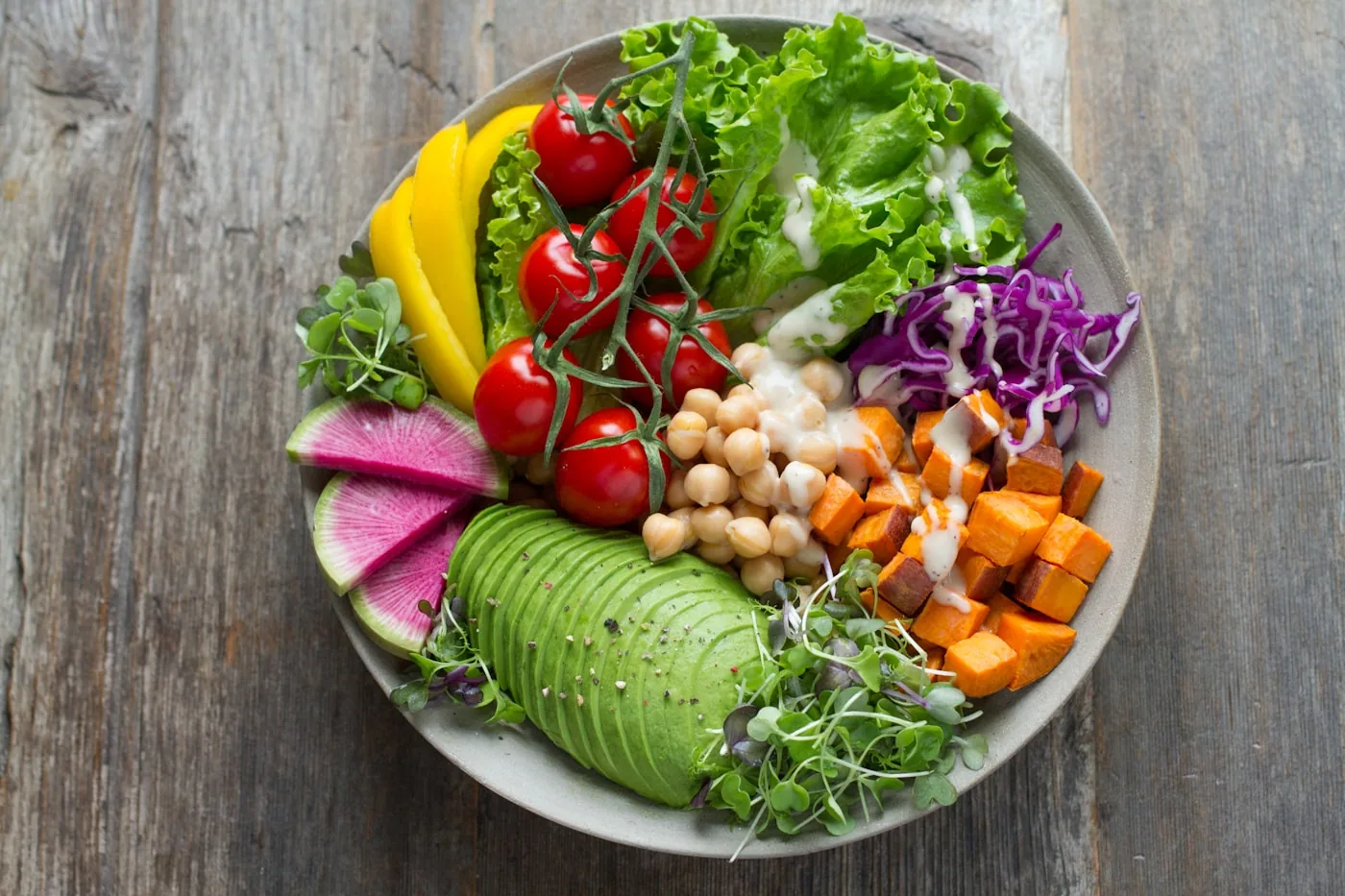
- Breakfast: oats with yoghurt, berries, seeds and nuts; eggs with vegetables; or a kefir smoothie with oats.
- Lunch: lentil soup, bean salads, salmon bowls, wholegrain wraps or leftovers with extra vegetables.
- Dinner: traybakes, stir-fries, fish with potatoes and greens, tofu bowls or bean chilli with salad.
- Snacks: fruit with nuts, yoghurt, hummus with oatcakes, roasted chickpeas or a small smoothie.
For weight-related goals, avoid letting the plan become a punishment. A moderate energy deficit, strength training,
sleep support and enough protein are usually more sustainable than very low-calorie plans. For bone health, include
calcium-rich foods and discuss vitamin D supplementation with a pharmacist, GP or dietitian if you are unsure.
How to use this menopause diet guide safely
Menopause nutrition advice is most useful when it is flexible. NHS and specialist menopause guidance generally encourages healthy eating, physical activity, not smoking, alcohol moderation and attention to bone and heart health. Food can support those aims, but it should not be used as a substitute for medical assessment, HRT discussions, prescribed medicines or support for complex symptoms. If you are losing weight unexpectedly, waking soaked with night sweats, struggling with mood, experiencing heavy bleeding, or feeling that symptoms are changing quickly, book a GP appointment.
The best menopause diet plan is also the one that respects your life. Shift work, caring responsibilities, budget, culture, appetite, medication and digestive tolerance all matter. A helpful plan might start with two prepared breakfasts, three reliable lunches and a small list of dinners you genuinely enjoy. That is often more effective than a perfect meal plan that only works for one week.
Protein, strength and appetite
Many women notice that body composition changes around midlife. This can reflect ageing, activity, sleep disruption, stress, changing routines and hormonal transition. Protein-rich meals can make weight management easier because they support fullness and muscle maintenance, especially when combined with resistance training. Aim to include a clear protein source at breakfast, lunch and dinner: eggs, yoghurt, cottage cheese, fish, chicken, turkey, tofu, tempeh, beans, lentils, chickpeas, nuts or seeds.
If appetite is low in the morning, a smaller protein option can still help: yoghurt with seeds, a boiled egg with wholegrain toast, or a smoothie made with kefir, oats and berries. If cravings are strongest in the evening, look at lunch first. A lunch that is mostly salad leaves and little protein often leads to grazing later, while a lunch with beans, fish, eggs, tofu or chicken may feel steadier.
Fibre, gut comfort and bloating
Fibre supports bowel regularity and helps feed gut bacteria, but a sudden jump in fibre can worsen bloating. Increase beans, lentils, wholegrains, vegetables, fruit, nuts and seeds gradually, and drink enough fluid. If you have irritable bowel syndrome, inflammatory bowel disease, coeliac disease or persistent digestive symptoms, ask for tailored advice rather than forcing a generic high-fibre plan.
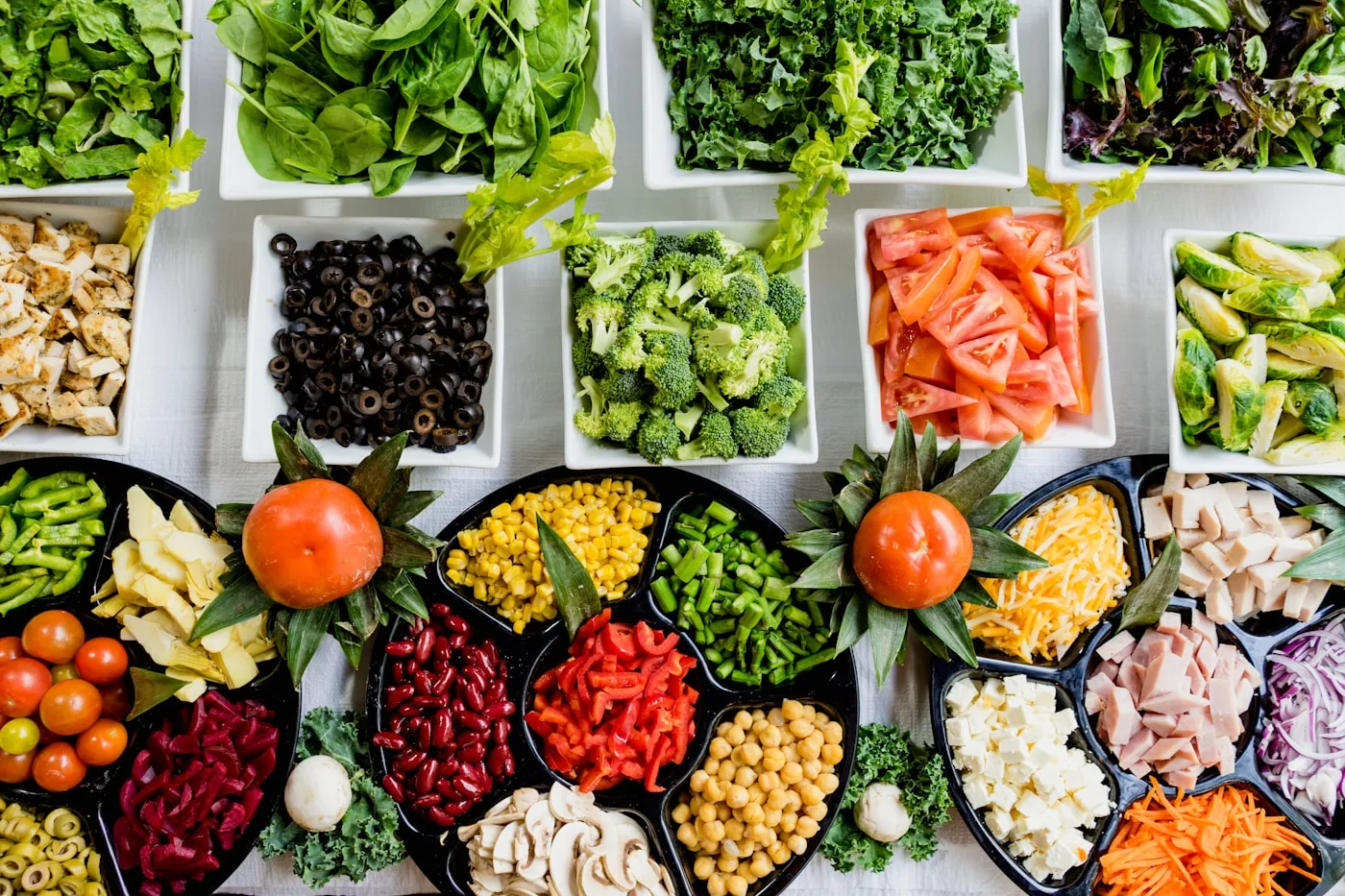
A practical UK shopping basket might include oats, seeded bread, brown rice, lentils, chickpeas, frozen berries, apples, broccoli, spinach, carrots, tinned tomatoes, olive oil, plain yoghurt, eggs, salmon or sardines, tofu and mixed nuts. These foods are ordinary, widely available and easy to combine into meals that support energy without relying heavily on ultra-processed snacks.
Calcium, vitamin D and bone health
After menopause, bone health deserves deliberate attention. Calcium-rich foods include dairy milk, yoghurt, cheese, calcium-set tofu, tinned sardines or salmon with bones, and calcium-fortified plant milks or yoghurts. Vitamin D is harder to get from food alone in the UK, particularly during autumn and winter, so check NHS advice and speak with a pharmacist or clinician if you are unsure what is appropriate for you.
Bone health is not only about diet. Strength exercise, balance work, not smoking, sensible alcohol intake and managing fall risk all matter. If you have early menopause, a history of fractures, long-term steroid use, low body weight or other risk factors, ask your GP whether you need a bone health assessment.
Blood sugar balance, sleep and energy
Blood sugar balance does not mean avoiding carbohydrates. It usually means pairing carbohydrates with protein, fibre and fats so meals digest more steadily. Porridge with yoghurt and seeds, potatoes with salmon and salad, or wholegrain pasta with mackerel and vegetables are all examples. This can be especially helpful for afternoon energy dips, brain fog and snack cravings.
Sleep can be affected by night sweats, stress, alcohol, caffeine timing and late heavy meals. Some people find it helpful to move caffeine earlier in the day, keep alcohol modest, and choose a lighter evening meal with a protein source rather than a very large late dinner. These habits will not replace medical treatment for severe symptoms, but they can form a supportive routine.
When to get personalised menopause nutrition advice
Personalised advice is sensible if you have diabetes, high cholesterol, high blood pressure, osteoporosis, coeliac disease, kidney disease, cancer treatment, complex medication, food allergies, an eating disorder history, or significant weight changes. You can use The Menopause Directory to find menopause nutritionists and dietitians in the UK, and to compare clinics, coaches, counselling, fitness specialists and workplace menopause support.
Explore the menopause diet cluster
Use these related guides to go deeper into the area that matches your search intent.
- Menopause Diet UK
- Menopause Weight Loss Diet
- Menopause Diet for Weight Loss
- Menopause Diet to Lose Weight
- Diet During Menopause
- Mediterranean Diet for Menopause
- Post Menopause Diet
- Menopause Belly Diet
- Free Menopause Diet Plan
- Best Diet for Menopause Weight Loss
- Menopause Diet Book Alternatives and Meal Ideas
- Menopause Weight Gain and Diet
Helpful directory links
FAQs
What is the best diet for menopause diet and recipes uk?
For most people, the strongest starting point is a Mediterranean-style pattern with enough protein, high-fibre
carbohydrates, vegetables, fruit, pulses, nuts, seeds and unsaturated fats. The best diet is one you can sustain and
adapt around symptoms, preferences and medical needs.
Can food stop hot flushes or night sweats?
Food cannot be promised to stop hot flushes or night sweats. Some people notice triggers such as alcohol, caffeine,
spicy foods or large late meals, so tracking patterns can be useful. Speak to a GP if symptoms affect daily life.
How much protein should I eat during menopause?
Needs vary, but including a protein source at each meal is a practical habit. Good options include eggs, yoghurt, fish,
poultry, tofu, beans, lentils, nuts and seeds.
Do I need supplements?
Some people may need vitamin D or other supplements, but this depends on diet, health status, medication and blood
results. Ask a pharmacist, GP or registered dietitian for personalised advice.
Are these recipes suitable for medical conditions?
They are general healthy recipes and may not suit every condition or medication. If you have diabetes, kidney disease,
allergies, an eating disorder history or complex symptoms, get personalised advice.